How Teachers Use Music to Reduce Classroom Noise
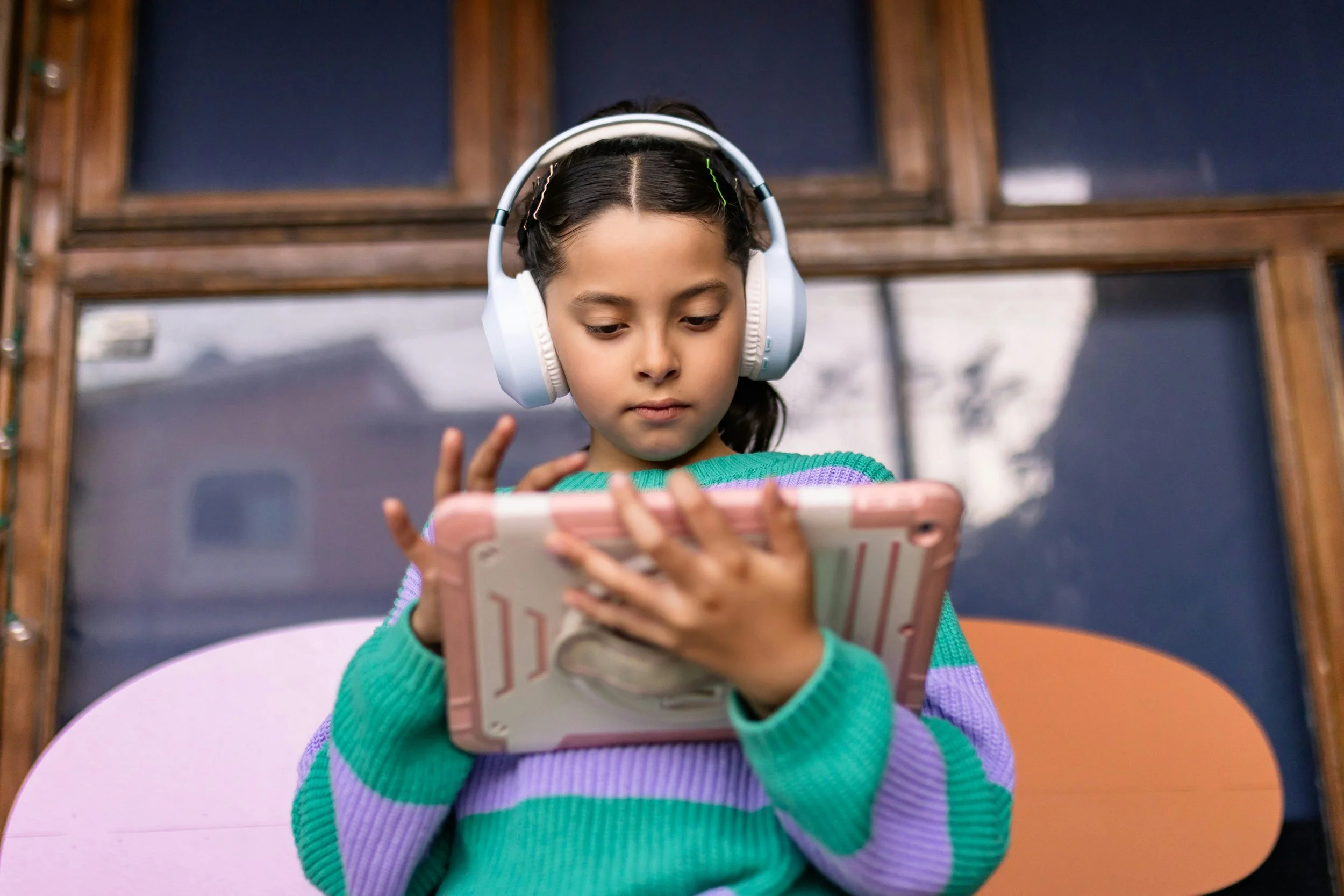
Classroom noise is not always a problem. Learning can be lively, collaborative, and joyful. But there are moments when excess noise gets in the way of focus, transitions drag on, or students struggle to settle after high-energy activities.
Many teachers are turning to music as a simple, effective way to manage classroom noise without raising their voice or constantly redirecting behavior. When used intentionally, music becomes a signal, a routine, and a support tool rather than just background sound.
Below are some of the most common ways teachers use music to create calmer, quieter classrooms.
Music as a Volume Signal, Not Background NoiseOne of the most effective uses of classroom music is as a non-verbal cue. Instead of competing with student voices, the music sets the tone.
Teachers often play:
Very soft, steady music to signal quiet work time
Slightly louder, rhythmic music for movement or cleanup
A consistent track to indicate it is time to lower voices
Over time, students associate the sound with expected behavior. When the music starts, they know what kind of volume and focus level is appropriate. This reduces the need for repeated verbal reminders and helps students self-adjust.
Using Music During Transitions to Prevent Noise SpikesTransitions are one of the loudest parts of the school day. Moving between activities, lining up, or cleaning up can quickly escalate into raised voices and chaos.
Teachers use short music cues or timer videos to:
Create a clear start and end point for transitions
Replace countdowns or shouted instructions
Keep students focused on a shared cue instead of each other
A two- or three-minute music timer gives students something to follow. The structure helps them move with purpose, which naturally keeps noise levels lower.
Supporting Self-Regulation and Focus with Calm MusicNoise often increases when students feel dysregulated. Music can help prevent that before it starts.
Many teachers play calm, consistent music during:
Reading and writing time
Independent work
Tests or quiet assessments
Research shows that gentle background music can support focus and self-regulation, especially when it is predictable and not distracting Classroom Music Guide. When students feel calmer, they are less likely to talk, fidget loudly, or disrupt others.
The key is consistency. Playing the same style of music at the same time each day helps students settle faster and stay quieter for longer periods.
Music as a Shared Classroom RoutineTeachers who see the biggest impact treat music as part of the classroom routine, not a last-minute fix.
Common routines include:
Morning music to ease the start of the day
Focus music that plays automatically during work blocks
End-of-day music to support calm pack-up and reflection
Because students know what to expect, there is less talking, fewer questions, and smoother flow throughout the day. Music becomes a shared language between teacher and students.
Why Purpose-Built Music Works BetterNot all music helps reduce noise. Songs with lyrics, sudden changes, or high energy can actually increase chatter.
Teachers tend to see better results with:
Instrumental music
Steady tempos
Music designed for specific classroom moments
Purpose-built classroom music, like that created by Mood Magic, is designed with these needs in mind. Instead of competing for attention, the music supports focus, regulation, and smoother transitions.
A Quieter Classroom Without Raising Your VoiceMusic does not replace classroom management, but it can make it easier. When used intentionally, it reduces the need for constant verbal cues and helps students regulate themselves.
For many teachers, music becomes one of the most reliable tools in the room. Press play, and the volume comes down.