The Sound of a calm Classroom
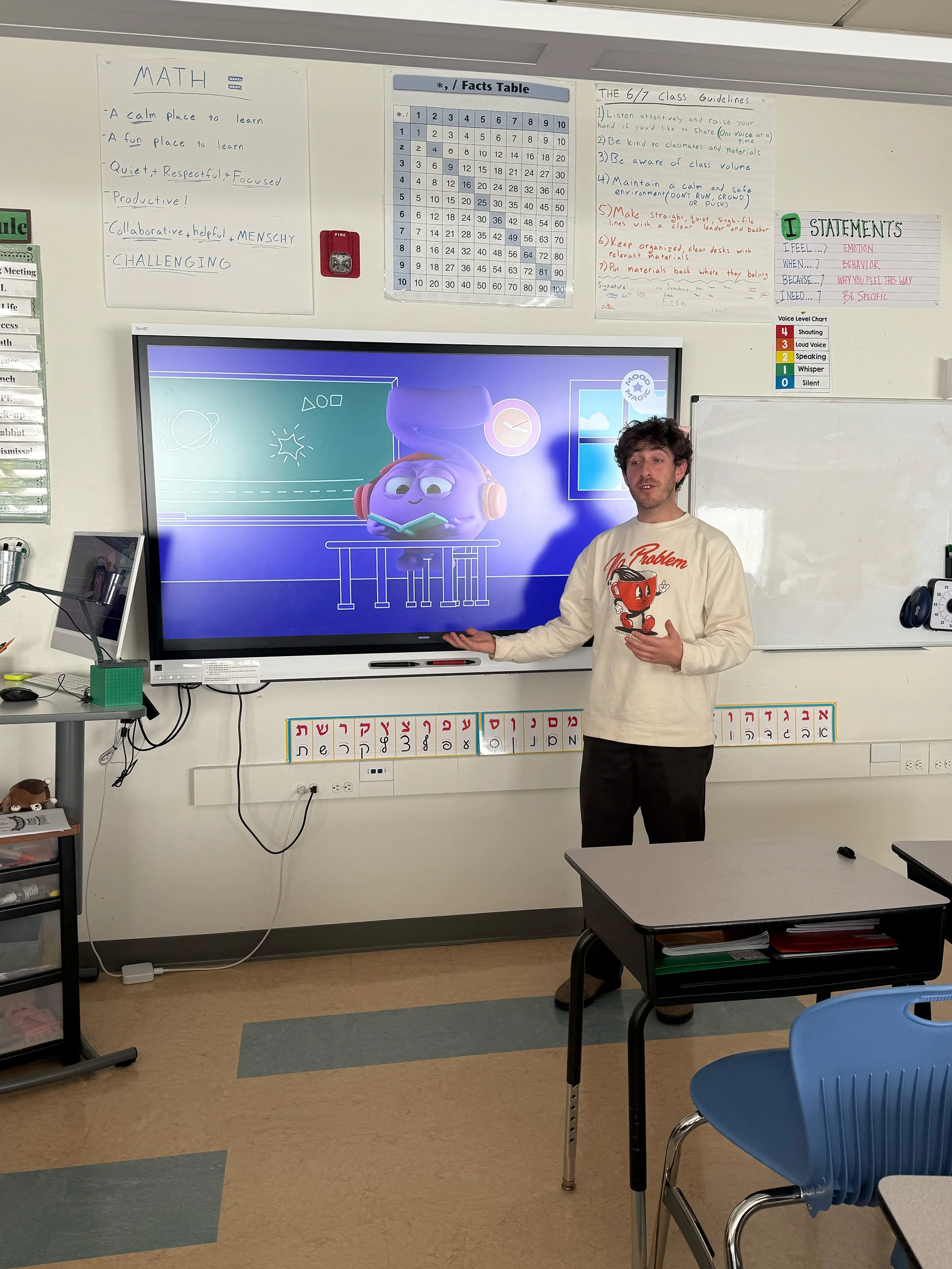
How I am supporting student regulation through intentional music in my classroom.
Silence is golden, but calm is key. At school, students experience a lot of un-calm. The high energy of recess, the anxieties of schoolwork, social turmoil, an uneaten snack. There are many pathways to a child feeling dysregulated.
When I first started teaching, I was often overwhelmed when my students were overwhelmed. Disruptive behaviors frequently surfaced after recess, after lunch, and at the end of the day. Lots of calling out. Uncontrolled laughter. Unfettered impulses and dysregulated emotions.
I leaned on the tried-and-true classroom management strategies I learned from peers, professors, and mentors. I was doing my best, but I was also stressed, stretched thin, and quietly wondering what I was missing. I was looking for something more supportive and found myself searching for new ways to help both my students and myself regulate.
The Power of Sound in a Busy Room
How could I help my students feel calm and regulated when they entered the classroom? How could I shift my environment, my routines, and my practice so students were building the skills they needed to manage themselves? And what could I do for myself when I started to feel the strain of their dysregulation?
I kept coming back to the same answer: Music.
I listen to music. It’s a staple of my routine. In the morning, I wake up, fight my way through an obstacle course of exhaustion and anxiety, climb into my chilly Corolla, and without hesitation press play. Kendrick. The Sundays. My high school musical theater playlist. Forty minutes of traffic later, I’ve been carried forward by music the entire way—grounded and ready to tackle the day. And you can bet I’m decompressing to Nujabes, Lush LoFi, or indie jazz after a long afternoon of hollered “67s” and hallway sixth graders.
Music helps me regulate. It always has. So I started wondering what might happen if I brought that same intentional use of sound into my classroom.
When Mood Magic Became Part of Our Day
That’s when Mood Magic entered the picture.
I’ve had the opportunity to pilot this music-based resource with my current fourth-grade class, and it has quickly become part of our daily rhythm. Mood Magic is research-backed, purpose-built music for K–6 classrooms, delivered through simple YouTube videos and designed to support focus, emotional regulation, transitions, and classroom routines.
After a few months of intentionally integrating Mood Magic into our day, I began noticing real shifts. A calmer classroom. Quieter independent work time. Transitions that felt smoother and more manageable. Most importantly, students who were more regulated and focused, even after lunch, recess, and at the end of the day.
It also supported my own calm as a teacher, helping me stay regulated and present alongside my students.
Below, I’ll share some of my favorite features of Mood Magic and a few practical ways I’ve been using it in my classroom.
Creating a Focused Writing Environment
There’s nothing ground-breaking about playing music in your classroom while students work. However, I’ve often made the mistake of playing music during independent or group work that ended up being overstimulating. In an age of digitally-driven stimulation, songs with lyrics or complex melodies can distract students when they’re trying to focus on a thoughtful task. Mood Magic’s research-driven compositions are predictable, calming, and never overstimulating—the perfect background music. This is the core idea behind Mood Magic, and why I prefer it over other “calming” playlists.
The Mood Magic YouTube channel’s “Calming Classroom Music 😌🎶” playlist is probably my most-used resource. In my fourth-grade writing class, we do weekly free-write warm-ups, morning journaling, and spend long stretches drafting essays on computers. This year, I’ve been intentional about setting the tone for these quiet, independent work moments.
For example, during a writing block where students are drafting an essay and expected to work for 15–20 minutes, I dim the lights and play one of the mixes from the Calming Classroom Music playlist. These mixes are compilations of 2–3 minute songs designed specifically for focused work. Each mix blends one song into the next, creating a seamless background that discourages unwanted chatter and helps students work through distractions and thought barriers.
During free writing time, usually 7–14 minutes, I play the “☺️ Calm Focus Classroom Music | Studying, Reading & Writing with Mely” playlist. Mood Magic uses their focus buddy mascot, Mely the music note, to model what students should be doing and feeling. For example, in this video, Mely is shown writing on a piece of paper—quietly, calmly, focused.
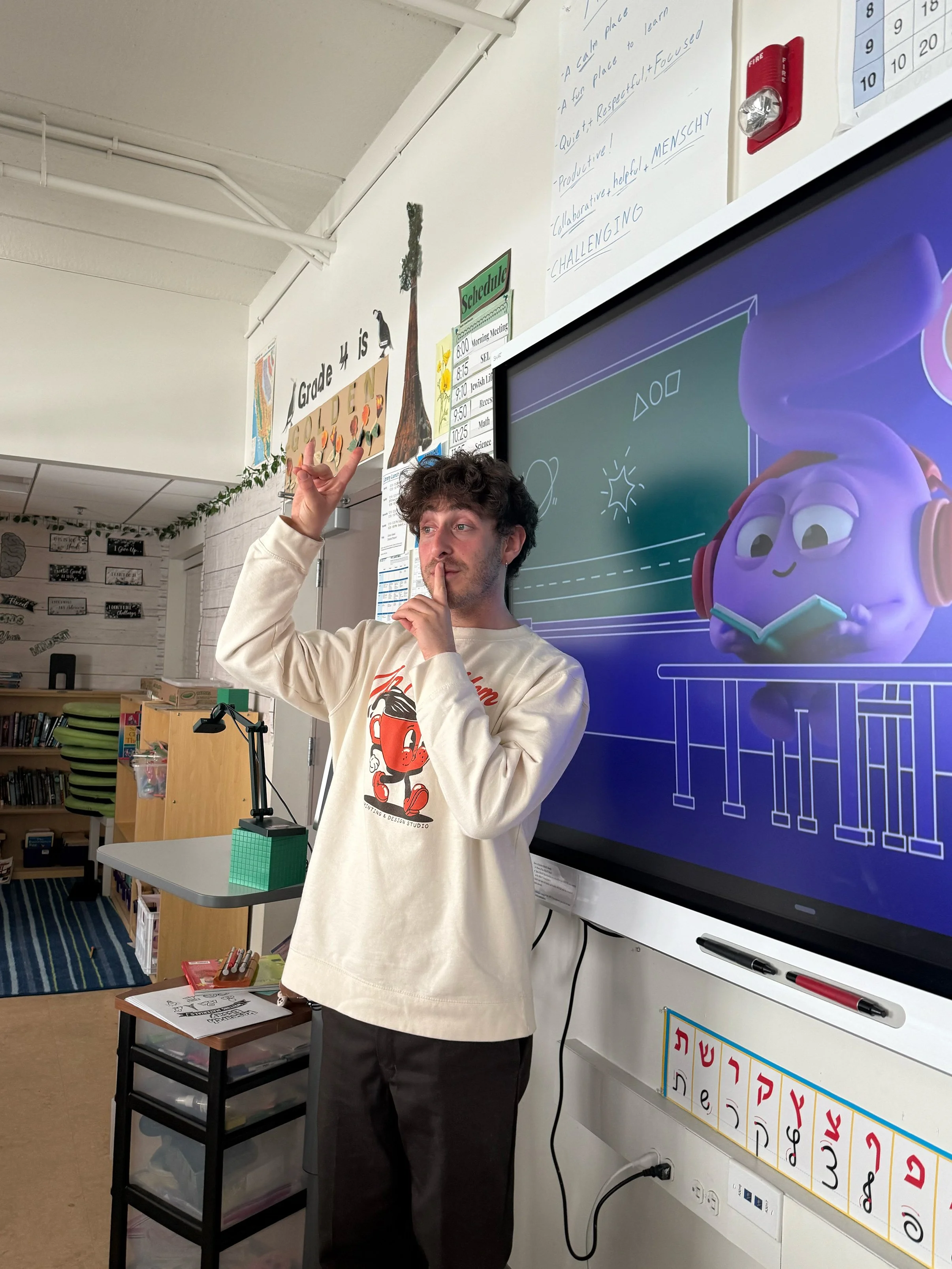
I’ve seen plenty of other videos that try to depict “peaceful” scenes with vibrant, movement-filled imagery. But too often, I catch a student staring at a particularly eye-catching corner, decoration, or icon instead of working. Mely works differently. Her simple, intentional movements help anchor students and redirect their attention back to their tasks.
The results have been noticeable. My students’ off-task chatter has gone down, and I’ve found myself talking less, too. Using my classroom MacBook’s multiple desktop feature, I always have a Mely video playing side-by-side with a set of instructions or the daily agenda. This makes redirection easy—I can simply point to the screen or prompt, “Look at Mely,” and students quickly return to work.
These small cues have reduced the need for me to intervene individually, creating a smoother, calmer work period for everyone.
Since adding Mood Magic to our writing environment, I’ve noticed measurable improvements: students are writing and typing for longer stretches without losing focus, and I’ve received consistent positive feedback about how calm and engaged they feel during writing time. In fact, my students have been so eager for Writing class that it’s become a moment they actively look forward to.
My hope is that they’re starting to associate writing with the sense of calm and focus that Mood Magic create, building both skill and a positive mindset around independent work.