Calm-Down Music After Recess: A 5-Minute K–6 Reset
Calm, steady music is one of the fastest ways to help students settle after recess. Here's why it works, and a five-minute reset you can run tomorrow.
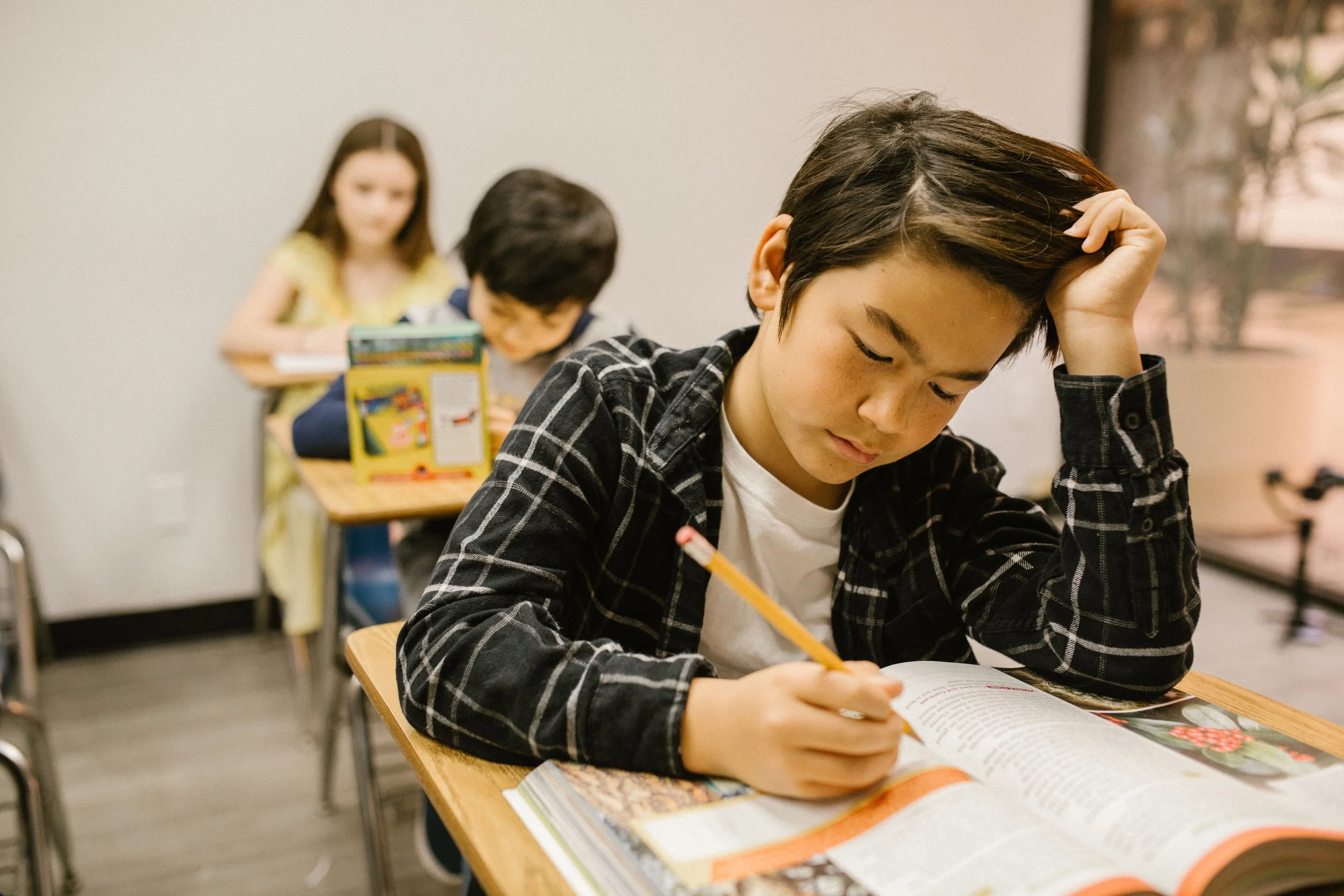
The whistle blows and recess walks back into the room with them. Cheeks are flushed. Someone is still mid-argument about whether the tag counted. Three students need water, two need the bathroom, and one is crying about a scraped knee that happened eleven minutes ago.
You have a math lesson to start. The class has a heart rate that says kickball.
Most teachers try to talk the room down, and most of the time the talking just adds one more sound. Calm music gives students something to settle into without anyone raising a voice. Play it the same way after every recess and it becomes the signal that the playground part of the day is over.
Why calm music helps after recess
Recess does its job. Students run, shout and burn off energy, and that's good for them. The trouble is the comedown. A body that was sprinting four minutes ago doesn't switch to long division because the bell rang.
Music works on that comedown directly. Here's what recent research shows.
Music helps bodies recover after hard exercise. In a 2024 study in the Annals of Noninvasive Electrocardiology, 180 young men did 30 seconds of all-out cycling, then rested either in silence or while listening to instrumental piano music. Music significantly changed how their heart rate and nervous system recovered, and the researchers concluded it helped the body rebalance after hard exertion. The participants were college students, but it's the same recovery system your students bring in from the playground.
Short listening sessions shift the nervous system toward rest. A 2026 review in Frontiers in Psychology pooled 24 randomized trials with 1,295 people, newborns through older adults. Music moved heart rhythms toward the "rest and digest" side of the nervous system, the side that takes over when the body calms down. Sessions of 30 minutes or less showed the strongest effect on that marker, and people dealing with stress or anxiety benefited most.
Instrumental music doesn't pull attention away. In a 2024 study, researchers in Brazil gave 76 boys aged 10 to 12, some with ADHD and some without, an attention task with and without music. The tracks had the vocals removed. Both groups made fewer errors with music playing, and three out of four students said they preferred working with it.
Put those together and you get a simple idea. After recess, students need their bodies to settle before they can take in a lesson. A few minutes of the right music helps with that, and lyric-free tracks can keep playing into quiet work without competing for attention. That's the thinking behind every Mood Magic track: steady tempos, gentle melodies and no lyrics.
A 5-minute reset after recess
Flower & Candle Breathing, two minutes of calm after recess.
You need two things for this routine: the Flower & Candle Breathing Exercise and the Restful Rhythms playlist (Spotify or YouTube). Queue both before students head outside so the reset starts the second they walk in.
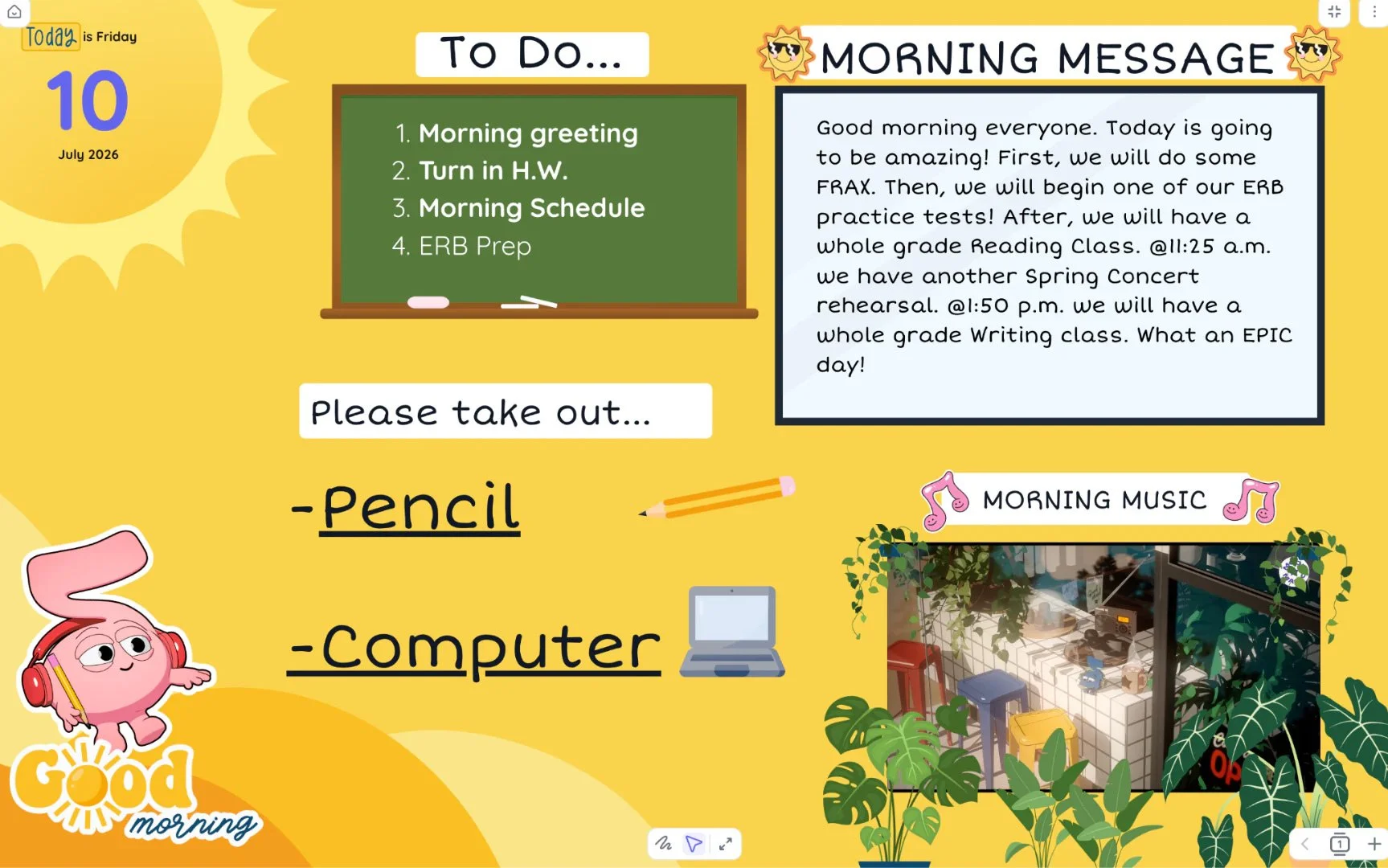
Before they come back. Start Restful Rhythms at low volume and dim the lights. The room should already sound different when the door opens. Students notice the change before you say a word.
Minute 1: Land. Students come in, get water, hang up jackets and go to their seats. Keep directions short and quiet, or skip them entirely and point to the board. The music carries the room while bodies find their way to chairs.
Minutes 2 to 4: Breathe together. Put the Flower & Candle Breathing Exercise on the board and press play. Students breathe along from their seats: smell the flower, blow out the candle. It runs just over two minutes, which is enough to bring heart rates down and give every student the same calm thing to do at the same time.
Minute 5: Check in and start. Switch back to the playlist at low volume. Ask students to put a hand on their chest and notice their breathing, or give a thumbs up when they feel ready to learn. Then fade the music out and begin the lesson.
For a student who is still wound up when the lesson starts, Restful Rhythms does a second job. Send them to your calm corner with headphones and the same music they just heard with the class. It's familiar, so it helps them settle faster, and they can rejoin when they're ready.
Small moves that make it stick
Run it the same way every day. The first week, students treat it as something new. By the third week, the first few notes of the playlist do half your classroom management for you.
Keep the volume just above a whisper. Loud enough to hear across the room, quiet enough that students can't talk over it without noticing.
Talk less than feels natural. Every direction you give during the reset is one more sound in a room that's trying to get quieter. Pointing at the board works.
On the rough days, give it more time. If recess ran long or something happened on the playground, follow the breathing video with Finger Tracing: Nature Shapes. Restless hands get something small to do, and two more minutes now usually saves fifteen later in the lesson.
Try it after recess tomorrow. Have the playlist going before the door opens, and pay attention to the first thirty seconds. That's usually where you'll hear the difference.
Frequently asked questionsWhat kind of music helps students calm down after recess?
Slow, steady instrumental music is the safest choice. Recent research shows short listening sessions help shift the nervous system toward rest, and tracks without lyrics leave students' attention free for the lesson ahead.
How long does it take for students to settle after recess?
A short, structured reset of about five minutes is enough for most classes. Using the same routine every day helps, because students learn what comes next and settle faster each week.
Should calm music keep playing during the lesson?
That depends on the lesson. During independent work, low-volume instrumental music can help students stay focused. During direct instruction, fade it out so your voice is the only thing students need to follow.
What if one student is still dysregulated after the reset?
Offer a calm corner with headphones and the Restful Rhythms playlist. Hearing the same music the class just used helps the student settle on their own, and they can rejoin the group when they're ready.
Does this work for both younger and older grades?
Yes. Kindergarten through second grade students often need more modeling, so do the activities alongside them the first few times. Older students usually pick up the routine in a few days and start settling as soon as they hear the music.
Related Posts